
Case study: manufacturing plant equipment
Manufacturing Plant Equipment Logistics
MIDTRANS moved a complete production line for a manufacturing plant in Syria. The line was sourced from Germany and Italy. Machinery and heavy units went by sea. Urgent technical equipment and critical spares went by air. Shipments were planned around the installation sequence.
Sea and airInstallation sequenceCustoms documentation
MIDTRANS operations deskShipment Information
A production line from Germany and Italy shipped to a manufacturing plant in Syria

Machinery by sea
Production line equipment and heavy units sailed as consolidated project shipments.
Spares by air
Urgent technical equipment and critical spare parts flew instead of sailing.
Installation sequence
Shipments followed the order in which the line was built.
Customs documentation
Each shipment carried its own document set, by sea and by air.



International Shipping & Customs Assistant
MIDTRANS Operations Desk
Team review before pricing or operationsThe cargo
The cargo
The plant needed a continuous industrial production line, complete. That meant production line systems, industrial machinery, industrial rollers, electrical control systems, industrial components and spare parts.
The equipment was high in value and sensitive to handling. It came from several manufacturers and suppliers in Germany and Italy.
- Production line systems
- Industrial rollers and machinery
- Electrical control systems
- Components and spare parts
Logistics pattern
How we handled it
Sea freight carried the main line: industrial machinery, production line equipment and heavy industrial units. Items from different suppliers were consolidated into project shipments. Air freight carried urgent technical equipment, critical spare parts, time-sensitive components and production support materials.
The installation team set the order in which the line was assembled. Shipments were planned to that sequence. Customs documentation was prepared for each shipment, by sea and by air.
The work linked several manufacturers, suppliers, freight operators, customs authorities and the installation team. See Germany to Syria and Italy to Syria for the lanes.
- Sea freight for machinery and heavy units
- Consolidated project shipments
- Air freight for urgent spares
- Installation-sequence planning
- Customs documentation per shipment
Typical challenges
Typical challenges
A production line arrives in many pieces from many suppliers. These are the points we plan for from the first enquiry.
- High-value industrial equipment
- Multiple shipment origins
- Sensitive manufacturing machinery
- Delivery scheduling
- Installation-sequence planning
- Mixed transport modes
- Customs documentation
The sector
Other factory equipment we move
We move the same kind of freight for other plants. That includes textile, spinning and dyeing machinery. It includes plastic and PVC extruders, food packaging lines and pharmaceutical cleanroom equipment. It also includes plant equipment for building materials: ceramic, marble, aluminium and glass.
Cables, transformers and generators from China move on the China to Syria lane. See also manufacturing logistics and industrial equipment.
- Textile, spinning and dyeing machinery
- Plastic and PVC extruders
- Food packaging lines
- Pharmaceutical cleanroom equipment
- Ceramic, marble, aluminium and glass plant
- Cables, transformers and generators from China
Why MIDTRANS
Why MIDTRANS
Midtrans Shipping And Services has worked in freight forwarding since 1998. Sea freight, air freight and customs documentation sit with one team. Acceptance, provider availability and authority outcomes remain subject to confirmation for each shipment. More case studies.
- Established in 1998
- Offices in the UAE (Dubai, Jebel Ali) and Syria; partner office in Guangzhou and Hong Kong
- Sea and air combined
- Customs documentation
Photographs of shipments handled by MIDTRANS, from the project cargo gallery. They show the type of cargo and handling described here. They are not photographs of the work on this page.
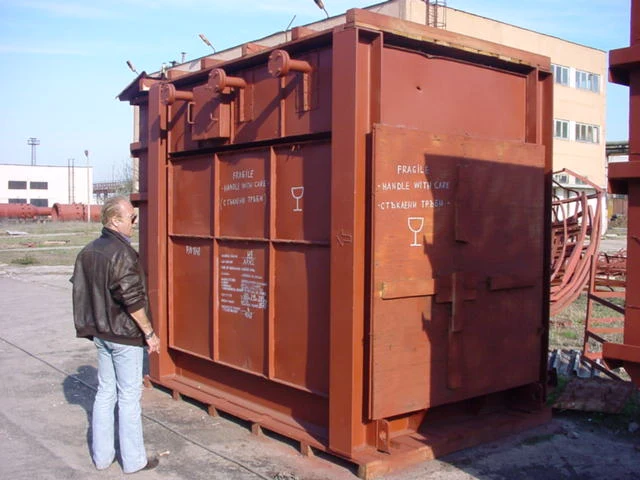
A heavy industrial crate stencilled FRAGILE — HANDLE WITH CARE, ready for handling. 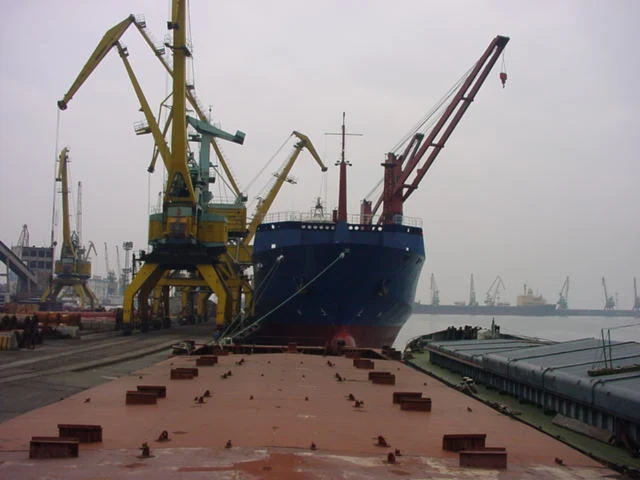
A general cargo vessel at berth, seen from the deck of the ship alongside.
Workflow
How the movement was organised
- 01
Supplier list
List each manufacturer, supplier and ready date in Germany and Italy.
- 02
Installation sequence
Take the assembly order from the installation team.
- 03
Mode split
Send machinery and heavy units by sea, urgent items by air.
- 04
Consolidation
Combine items from different suppliers into project shipments.
- 05
Customs documentation
Prepare the document set for each sea and air shipment.
- 06
Arrival in Syria
Clear each shipment and deliver it to the plant.
Related services
Services behind this work
Each part of the movement maps to a MIDTRANS service.
Project cargo
Heavy industrial units and plant equipment.
Project cargoSea freight
Machinery, line equipment and consolidated shipments.
Sea freightAir freight
Urgent technical equipment and critical spare parts.
Air freightCustoms clearance in Syria
Import documents prepared before the cargo arrives.
Customs clearanceNext step
Start with the cargo list
Share the cargo, origins, dimensions and timing. Submission does not confirm pricing, acceptance, booking, customs release or delivery.
Request a quote
Send the equipment list, suppliers and installation dates for operations review.
Request a quoteGermany to Syria
Sea, air and road options from Germany, one of the origins on this project.
View the trade laneFAQ
Frequently asked questions
Clear answers for customers reviewing MIDTRANS services, routes, documents, and official support channels.
Where did the production line come from?
Germany and Italy. The equipment came from several manufacturers and suppliers in both countries.
Why combine sea and air freight?
Sea freight suits machinery, production line equipment and heavy units. Air freight suits urgent technical equipment and critical spare parts. Using both lets the heavy cargo travel by sea while the urgent items fly.
What is installation-sequence planning?
It means shipping to the order in which the line is assembled. The installation team sets the sequence. Shipments are planned so that equipment needed first is not held behind equipment needed later.
Do you move equipment for other kinds of factory?
Yes. We move textile, spinning and dyeing machinery, plastic and PVC extruders, food packaging lines, pharmaceutical cleanroom equipment and plant equipment for ceramic, marble, aluminium and glass. Cables, transformers and generators from China move on the China to Syria lane.
What documents does plant equipment need for Syria?
Usually a commercial invoice and packing list that describe each machine, the certificate of origin, and the bill of lading or air waybill naming the Syrian consignee as registered. HS Code, duty and clearance decisions rest with the customs authorities and the appointed broker.
How were shipments from several suppliers in Germany and Italy organised?
Each manufacturer, supplier and ready date was listed first. Items from different suppliers were then consolidated into project shipments for the sea leg, and every shipment, by sea or by air, carried its own customs document set.
Next step
Discuss a shipment, customs question, or logistics requirement
Share the route, cargo, documents, and timing once. MIDTRANS can review the same structured request through WhatsApp, email, or the contact desk.
Origin, destination, pickup point, delivery point, and preferred freight mode.
Commodity, weight, volume, documents, readiness date, and customs questions.
Operations follow up through official MIDTRANS channels before any commitment.


