
Sector case study: vehicles and automotive
Vehicle and Automotive Shipping to Syria
MIDTRANS ships commercial vehicles into Syria from the UAE and from China. The cargo is mainly trucks and trailers. Auto parts for the same buyers are consolidated at Jebel Ali. Units travel by RoRo, in containers or on flat racks, depending on the unit. Syrian import rules on vehicle age, type and specification are checked before a booking is made.
RoRo, container and flat rackJebel Ali parts consolidationImport rules checked first
MIDTRANS operations deskShipment Information
Commercial vehicles and auto parts moved to Syria from the UAE and China

Trucks and trailers
Commercial units matched to RoRo, container or flat rack by size.
Auto parts at Jebel Ali
Parts orders from several suppliers tallied and loaded together.
From China
Direct sailings to Latakia, or transhipment through Jebel Ali.
Clearance in Syria
Chassis and engine numbers matched to the import file.



International Shipping & Customs Assistant
MIDTRANS Operations Desk
Team review before pricing or operationsThe cargo
The cargo
The work covers commercial vehicles bought in the UAE and in China. Trucks and trailers make up most of it. Alongside the units we consolidate auto parts at Jebel Ali, so a buyer's parts order can travel with the vehicles or follow behind them.
Each unit is assessed before it is booked. We ask for the make, model, year, chassis number, dimensions, weight and whether the unit drives. Vehicles are not interchangeable freight: the same order can hold one unit that rolls onto a RoRo vessel and another that has to go on a flat rack.
- Commercial vehicles from the UAE and China
- Trucks and trailers
- Auto parts consolidated at Jebel Ali
- Every unit assessed before booking
Logistics pattern
How we handled it
The origins were the UAE, including Dubai and Jebel Ali, and China. The mode followed the unit. Units that drive go RoRo where a service runs. Units that fit a box go in a container, and so do the parts. Units too wide or too tall for a standard container go on flat racks.
Three routes carried the cargo. From China, direct sailings to Latakia. From China, transhipment through Jebel Ali. From the UAE, on to Syria. Parts collected from several suppliers were tallied at our Jebel Ali warehouse against each supplier invoice before loading, and cargo held for a later unit stayed in store until the shipment was complete.
Handling was planned with the mode. Wheeled units are chocked and lashed; units on flat racks are bedded, blocked and braced, and the lashing is checked before the vessel sails. Documents ran ahead of the cargo: the commercial invoice, the packing list, the certificate of origin, the export document from the origin country and the bill of lading naming the Syrian consignee exactly as registered. For a vehicle the chassis and engine numbers have to read the same on the invoice, the export document and the bill of lading.
Before any booking we checked the Syrian import rules on vehicle age, type and specification against the unit. Our Damascus office prepared the import file before arrival and filed the declaration. See vehicle shipping and customs clearance in Syria. HS Code, duty and customs-clearance decisions rest with the customs authorities and the appointed customs broker.
- RoRo for units that drive
- Containers for units and parts
- Flat racks for out-of-gauge units
- Chassis and engine numbers matched across the file
- Import rules checked before booking
Typical challenges
Typical challenges
Vehicle cargo is documented as closely as it is carried. These are the points we plan for from the first enquiry.
- Syrian rules on vehicle age, type and specification
- Choosing RoRo, container or flat rack for each unit
- Chassis and engine numbers that must match every document
- Units and parts ordered from different suppliers
- Transhipment that adds a handover to the plan
- Securing wheeled and out-of-gauge units for sea and road
Routes
Routes used on this work
China to Latakia direct. China to Jebel Ali as a transhipment, then on to Syria. The UAE to Syria. The lane pages give the detail: China to Syria, Jebel Ali to Syria and UAE to Syria.
- China to Latakia direct
- China to Jebel Ali transhipment
- UAE to Syria
- Parts consolidated at Jebel Ali
Why MIDTRANS
Why MIDTRANS
Midtrans Shipping And Services was established in Damascus in 1998, with roots in International Transit Company from 1960. Our Dubai office handles the UAE origin and the Jebel Ali warehouse, our partner office in Guangzhou and Hong Kong handles the Chinese origin, and our Damascus office files the import declaration. Acceptance, provider availability and authority outcomes remain subject to confirmation for each shipment. More case studies.
- Established in 1998
- Offices in the UAE (Dubai, Jebel Ali) and Syria; partner office in Guangzhou and Hong Kong
- Sea and road combined
- Clearance in Syria
Photographs of shipments handled by MIDTRANS, from the project cargo gallery. They show the type of cargo and handling and are not from the client's site.
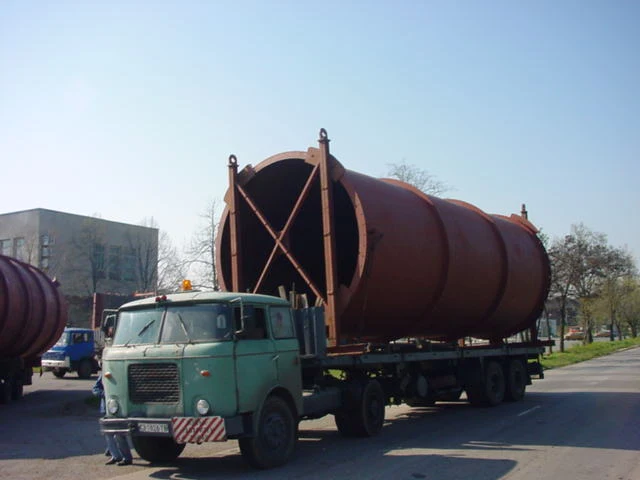
A braced cylindrical section on a flatbed truck, moving out of the yard. 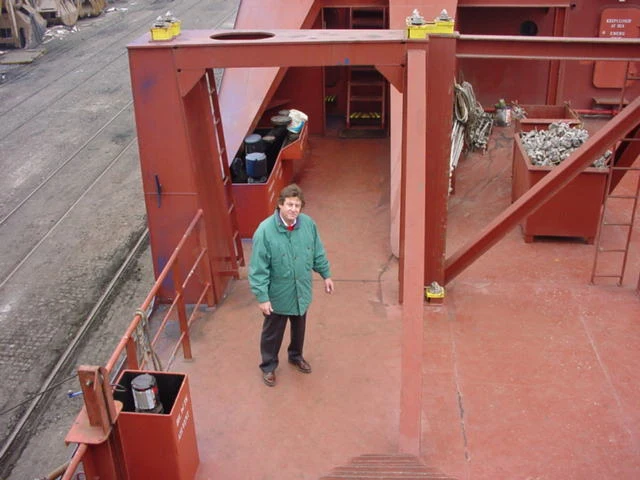
Lashing gear and securing equipment laid out on deck before loading.
Workflow
How a vehicle shipment is organised
- 01
Unit list
Collect make, model, year, chassis number, dimensions and weight.
- 02
Import rules
Check the Syrian rules on vehicle age, type and specification before booking.
- 03
Mode choice
Match each unit to RoRo, container or flat rack.
- 04
Parts consolidation
Tally auto parts at Jebel Ali against each supplier invoice.
- 05
Securing
Plan chocking, lashing and bracing for the sea and road legs.
- 06
Import file and delivery
Prepare the Syrian documents before arrival and deliver the units.
Related services
Services behind this work
Each part of the movement maps to a MIDTRANS service.
Vehicle shipping
RoRo, container and flat rack options for vehicles and trailers.
Vehicle shippingAutomotive logistics
The wider sector: vehicles, parts and aftermarket cargo.
Automotive logisticsJebel Ali consolidation
Parts from several suppliers tallied, stored and loaded together.
Jebel Ali warehousingSea freight
RoRo, container and flat rack sailings to Syria.
Sea freightCustoms clearance in Syria
Import documents prepared before the cargo arrives.
Customs clearanceNext step
Start with the cargo list
Share the cargo, origins, dimensions and timing. Submission does not confirm pricing, acceptance, booking, customs release or delivery.
Request a quote
Send the unit list, origin and readiness date for operations review.
Request a quoteUAE to Syria
Sea and road freight from the UAE, one of the origins on this work.
View the trade laneFAQ
Frequently asked questions
Clear answers for customers reviewing MIDTRANS services, routes, documents, and official support channels.
Which vehicles does MIDTRANS ship to Syria?
Commercial vehicles from the UAE and from China, mainly trucks and trailers. Each unit is assessed on make, model, year, dimensions, weight and whether it drives. Acceptance follows the unit, the mode, the route and the Syrian import rules.
How are the vehicles carried?
By RoRo where a service runs and the unit can drive on board, in a container where the unit fits, and on a flat rack where it is too wide or too tall for a standard container. Auto parts travel in containers, consolidated at Jebel Ali.
Are Syrian import rules on vehicle age and specification checked before booking?
Yes. The rules on vehicle age, type and specification are checked against the unit before a booking is made. The importer confirms the position, and admissibility is decided by the Syrian authorities.
Which routes were used?
China to Latakia direct, China to Jebel Ali as a transhipment and on to Syria, and the UAE to Syria.
Can vehicles and spare parts ship together?
Parts are consolidated at our Jebel Ali warehouse and tallied against each supplier invoice. They can travel with a unit where the equipment allows, or ship separately, subject to cargo compatibility, documents and space.
Which vehicle details must match across the shipping documents?
The chassis and engine numbers must read the same on the commercial invoice, the export document from the origin country and the bill of lading. The bill of lading must also name the Syrian consignee exactly as registered.
Next step
Discuss a shipment, customs question, or logistics requirement
Share the route, cargo, documents, and timing once. MIDTRANS can review the same structured request through WhatsApp, email, or the contact desk.
Origin, destination, pickup point, delivery point, and preferred freight mode.
Commodity, weight, volume, documents, readiness date, and customs questions.
Operations follow up through official MIDTRANS channels before any commitment.


