
Sector case study: humanitarian cargo since 2011
Humanitarian Cargo Logistics in Syria
MIDTRANS has carried humanitarian relief cargo into Syria since 2011. The consignments include blankets, tents and medical supplies. They also include cold-chain pharmaceuticals and vaccines, and educational supplies. The work runs by sea, air and road. Temperature-controlled consignments travel in reefer containers or as temperature-managed air freight. We do not name the organisations we work for.
Sea, air and roadReefer and temperature-managed airRelief cargo since 2011
MIDTRANS operations deskShipment Information
Relief consignments moved into Syria by sea, air and road




International Shipping & Customs Assistant
MIDTRANS Operations Desk
Team review before pricing or operationsThe cargo
The cargo
The relief cargo we have carried since 2011 falls into three groups. The first is shelter and general relief: blankets and tents. The second is medical: medical supplies, and cold-chain pharmaceuticals and vaccines. The third is educational supplies.
Each group is planned on its own terms. Blankets and tents are volume cargo, so the constraint is space rather than weight. Medical supplies move as packed cargo with their documents. Cold-chain items move at a temperature the product owner defines, and that instruction governs the equipment, the routing and every handover.
- Blankets and tents
- Medical supplies
- Cold-chain pharmaceuticals and vaccines
- Educational supplies
Logistics pattern
How we handled it
Origins vary with the consignment, so the plan starts from where the goods are released and how quickly they are needed. Three modes carry the work. Sea freight takes the volume cargo. Air freight takes urgent consignments and temperature-managed cargo. Road freight carries the regional legs and the final delivery inside Syria.
Routing follows the gateway. Cargo from China sails direct to Latakia, moves through Mersin and continues by road, or is transhipped through Jebel Ali. Cargo from Turkey moves to Syria by road. Cargo landed at Beirut or Tripoli moves to Syria by road, and so does cargo landed at Aqaba. Egyptian cargo moves through Alexandria or Damietta.
Handling is set by the product owner, not by us. The product owner defines the temperature range, the packing and the monitoring instruction; we book the equipment to that instruction and write it onto the booking and the shipping instruction. Reefer equipment is checked before stuffing, power at each handover is planned before the cargo moves, and the temperature record travels with the arrival documents. Mixed consignments are separated so that only the cold-chain portion carries the cold-chain plan.
Documents run ahead of the cargo: the invoice or consignment documents, the packing list with marks and numbers matching the cargo, the certificate of origin and the bill of lading or air waybill naming the consignee exactly as registered. Where a consignment needs a prior approval or an exemption, the consignee holds it and we check it is on the file before arrival. Our Damascus office files the import declaration. See refrigerated transport and customs clearance in Syria. HS Code, duty and customs-clearance decisions rest with the customs authorities and the appointed customs broker.
- Sea for volume cargo
- Air for urgent and temperature-managed cargo
- Road for regional legs and delivery
- Temperature instruction from the product owner
- Import file checked before arrival
Typical challenges
Typical challenges
Relief cargo is planned like any other freight, with the cold chain and the document file as the fixed points. These are the points we plan for from the first enquiry.
- Cold-chain consignments that must hold temperature at every handover
- Mixed consignments where only part of the cargo is temperature-controlled
- Volume cargo such as tents and blankets against available space
- Power and monitoring for reefer units between legs
- Several modes on one consignment
- Documents and approvals that must be complete before arrival
Cold chain
Reefer or temperature-managed air
Two options carry temperature-controlled relief cargo. A reefer container suits planned volume and a sea or road leg, and runs on vessel or genset power with the declared setpoint. Temperature-managed air freight suits urgent or short-shelf-life consignments, where the packing and the airport handover carry the temperature rather than a container.
The choice is made against the product owner's instruction, the route and carrier acceptance, not against price alone. Our healthcare logistics page covers pharmaceutical freight in more detail.
- Reefer containers for planned volume
- Temperature-managed air for urgent cargo
- Setpoint declared, not assumed
- Carrier acceptance confirmed first
Why MIDTRANS
Why MIDTRANS
Midtrans Shipping And Services was established in Damascus in 1998, with roots in International Transit Company from 1960. Sea, air and road freight, cold chain and Syrian customs clearance sit with one team, and our Damascus office handles the arrival side. Acceptance, provider availability and authority outcomes remain subject to confirmation for each shipment. More case studies.
- Established in 1998
- Offices in the UAE (Dubai, Jebel Ali) and Syria; partner office in Guangzhou and Hong Kong
- Sea, air and road combined
- Clearance in Syria
Photographs of shipments handled by MIDTRANS, from the project cargo gallery. They show the type of cargo and handling and are not from the client's site.
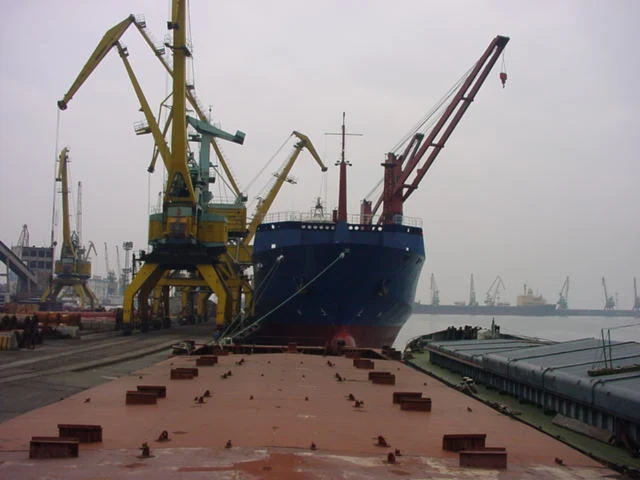
A general cargo vessel at berth, seen from the deck of the ship alongside. 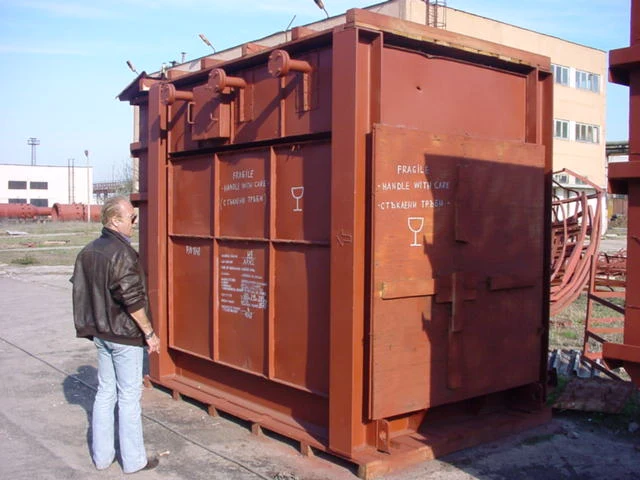
A heavy industrial crate stencilled FRAGILE — HANDLE WITH CARE, ready for handling.
Workflow
How a relief consignment is organised
- 01
Consignment list
Collect the cargo, packing, volume, weight and readiness date.
- 02
Temperature requirement
Take the range, packing and monitoring instruction from the product owner.
- 03
Mode split
Divide the consignment between sea, air and road.
- 04
Equipment
Book reefer containers or temperature-managed air capacity and confirm acceptance.
- 05
Documents
Check the invoice, packing list, origin papers and any approval on the file.
- 06
Clearance and delivery
File the import declaration and deliver to the named consignee.
Related services
Services behind this work
Each part of the movement maps to a MIDTRANS service.
Refrigerated transport
Reefer containers and temperature-managed air freight.
Refrigerated transportHealthcare logistics
Medical supplies and pharmaceutical freight.
Healthcare logisticsCustoms clearance in Syria
Import documents prepared before the cargo arrives.
Customs clearanceSea freight
Container sailings for volume relief cargo.
Sea freightAir freight
Urgent and temperature-managed consignments.
Air freightNext step
Start with the cargo list
Share the cargo, origins, dimensions and timing. Submission does not confirm pricing, acceptance, booking, customs release or delivery.
Request a quote
Send the consignment list, temperature requirement and route for operations review.
Request a quoteTurkey to Syria
Road freight from Turkey, one of the corridors used for relief cargo.
View the trade laneFAQ
Frequently asked questions
Clear answers for customers reviewing MIDTRANS services, routes, documents, and official support channels.
What humanitarian cargo does MIDTRANS carry?
Relief consignments carried since 2011 include blankets, tents and medical supplies, cold-chain pharmaceuticals and vaccines, and educational supplies. Each consignment is planned against its packing, volume, temperature requirement and documents.
How do cold-chain consignments travel?
In reefer containers or as temperature-managed air freight. A reefer container suits planned volume on a sea or road leg. Temperature-managed air freight suits urgent consignments. The route, the equipment and carrier acceptance are confirmed before booking.
Who defines the transport temperature for pharmaceuticals and vaccines?
The product owner defines and approves the temperature range, the packing and the monitoring instruction. MIDTRANS books the equipment to that instruction, records it on the booking and issues the temperature record with the arrival documents.
Which modes and routes are used?
Sea for volume cargo, air for urgent and temperature-managed cargo, road for regional legs and delivery. Routing follows the gateway: direct to Latakia, through Mersin and on by road, through Jebel Ali, by road from Turkey, from Beirut or Tripoli, from Aqaba, or through Alexandria or Damietta.
Why are the organisations not named?
We publish this work without naming clients or aid organisations. The page describes the cargo, the modes, the handling and the routes, not the parties.
Which documents must be on file before a relief consignment arrives?
The invoice or consignment documents, a packing list whose marks and numbers match the cargo, the certificate of origin, and the bill of lading or air waybill naming the consignee exactly as registered. Where a prior approval or exemption is needed, the consignee holds it and we check it is on the file before arrival.
Next step
Discuss a shipment, customs question, or logistics requirement
Share the route, cargo, documents, and timing once. MIDTRANS can review the same structured request through WhatsApp, email, or the contact desk.
Origin, destination, pickup point, delivery point, and preferred freight mode.
Commodity, weight, volume, documents, readiness date, and customs questions.
Operations follow up through official MIDTRANS channels before any commitment.


